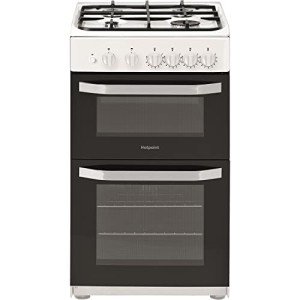
The Three Greatest Moments In Gas Cooker With Auto Ignition History
Gas Hob and Oven: A Comprehensive Guide
Gas hobs and ovens are staple kitchen appliances that have actually been a long-standing choice for home cooks and expert chefs alike. Their appeal originates from their efficiency, efficiency, and the level of control they provide over cooking temperatures. In this post, we explore the features, advantages, and factors to consider surrounding gas hobs and ovens, providing you with all the info needed to make an informed choice for your kitchen.
What is a Gas Hob?
A gas hob, often described as a gas cooktop, is a cooking appliance powered by gas or lp. It features burners of differing sizes that heat pots and pans straight, permitting fast and exact temperature control. Gas hobs come in various styles, including built-in and freestanding models, fitting flawlessly into any kitchen layout.
Secret Features of Gas Hobs
Immediate Heat Adjustment: Gas hobs provide instantaneous heat adjustment, permitting cooks to switch between low and high flames at a moment's notification.
Variety of Burner Sizes: Most gas hobs include burners of various sizes, catering to various cooking requirements, from simmering sauces to boiling water rapidly.
Continuous Grates: Many models come with continuous grates that enable simple sliding of pots and pans from one burner to another.
Safety Features: Most modern gas hobs are geared up with safety features such as flame failure gadgets, which are created to immediately shut off gas supply if the flame heads out.
Benefits of Using a Gas Hob
Efficiency: Gas hobs supply high heat output and lower cooking times, leading to energy savings in the long run.
Accuracy: The visible flame enables users to gauge cooking temperature level better than electric cooktops, providing a more tactile cooking experience.
Flexibility: Ideal for various cooking methods, including boiling, frying, simmering, and even sautéing.
What is a Gas Oven?
A gas oven is an appliance that utilizes gas as a heat source to cook food. It can be part of a stand-alone range or a built-in unit. Gas ovens generally feature an open flame or gas broiler, supplying instant heat and cooking efficiency.
Kinds Of Gas Ovens
Traditional Gas Oven: This type uses gas to warm the air inside the oven for baking and roasting.
Convection Gas Oven: An improved variation, it uses a fan to circulate hot air around the food, leading to quicker cooking times and more even heat circulation.
Gas Range: Combines both a gas hob and an oven in a single appliance.
Key Features of Gas Ovens
Direct Heat Cooking: Emulates the open flame cooking method, ideal for accomplishing caramelization and browning.
Easy Temperature Control: Most models permit precise temperature level settings, making sure consistent cooking outcomes.
Broiling Capability: Gas ovens generally include a broiler feature that enables users to prepare food rapidly at a heat.
Advantages of Using a Gas Oven
Affordable: Generally, operating a gas oven expenses less than its electric equivalent, specifically in areas where gas is affordable.
Faster Preheat Times: Gas ovens tend to pre-heat faster than electrical ones, conserving time when beginning off a dish.
Suitable for Baking: Gas ovens create wetness throughout baking, avoiding cakes from drying out.
Table: Comparison of Gas Hobs and Ovens
Function
Gas Hob
Gas Oven
Heat Source
Gas burners
Gas flames
Temperature Control
Instant heat modification
Precise temperature settings
Cooking Methods
Boiling, frying, sautéing
Baking, roasting, broiling
Effectiveness
High heat output
Affordable operation
Preheat Time
No preheat needed
Faster preheating
Safety Features
Flame failure device
Auto shut-off (in some models)
Considerations When Choosing Gas Hobs and Ovens
When choosing the best gas hob and oven, consider the following:
Space Availability: Ensure enough space in your kitchen for the gas hob and oven layout you prefer.
Cooking Habits: Assess your cooking design and requires to figure out which features are vital.
Fuel Connection: Check for natural gas lines in your house or consider a propane conversion.
Upkeep: Regular cleansing and maintenance of gas home appliances are necessary for safety and longevity.
Brand Reputation and Warranty: Research brands known for dependability and customer support, and ensure that service warranties cover important parts.
Frequently Asked Questions About Gas Hobs and Ovens
1. Are gas hobs and ovens safe to use?
Yes, gas hobs and ovens are safe to utilize when set up properly by an expert. Regular maintenance is likewise important to ensure safe operation.
2. How do I clean up a gas hob or oven?
For gas hobs, eliminate the grates and burners, then wipe the surface with a wet fabric and mild detergent. For Recommended Web page , utilize oven cleaners according to the manufacturer's instructions, ensuring that the gas supply is turned off.
3. Can I convert my electric oven to a gas oven?
Oftentimes, it's possible to transform electric ovens to gas, however this needs expert setup and may involve additional adjustments to your kitchen.
4. Which is more energy-efficient, gas or electric?
Gas appliances tend to be more energy-efficient when it comes to cooking given that they offer direct heat. However, considering local fuel prices is important for a correct expense comparison.
5. What features should I look for when acquiring a gas oven?
Search for features such as even heat distribution, self-cleaning functions, numerous cooking techniques (like convection), and reliability.
Gas hobs and ovens remain a popular option for their efficiency, precision, and adaptability. With the right info and careful consideration, homeowners can choose the perfect combination of gas cooking appliances to enhance their culinary abilities. Purchasing quality gas hobs and ovens can change your cooking experience, making it more pleasurable and efficient.